What it means
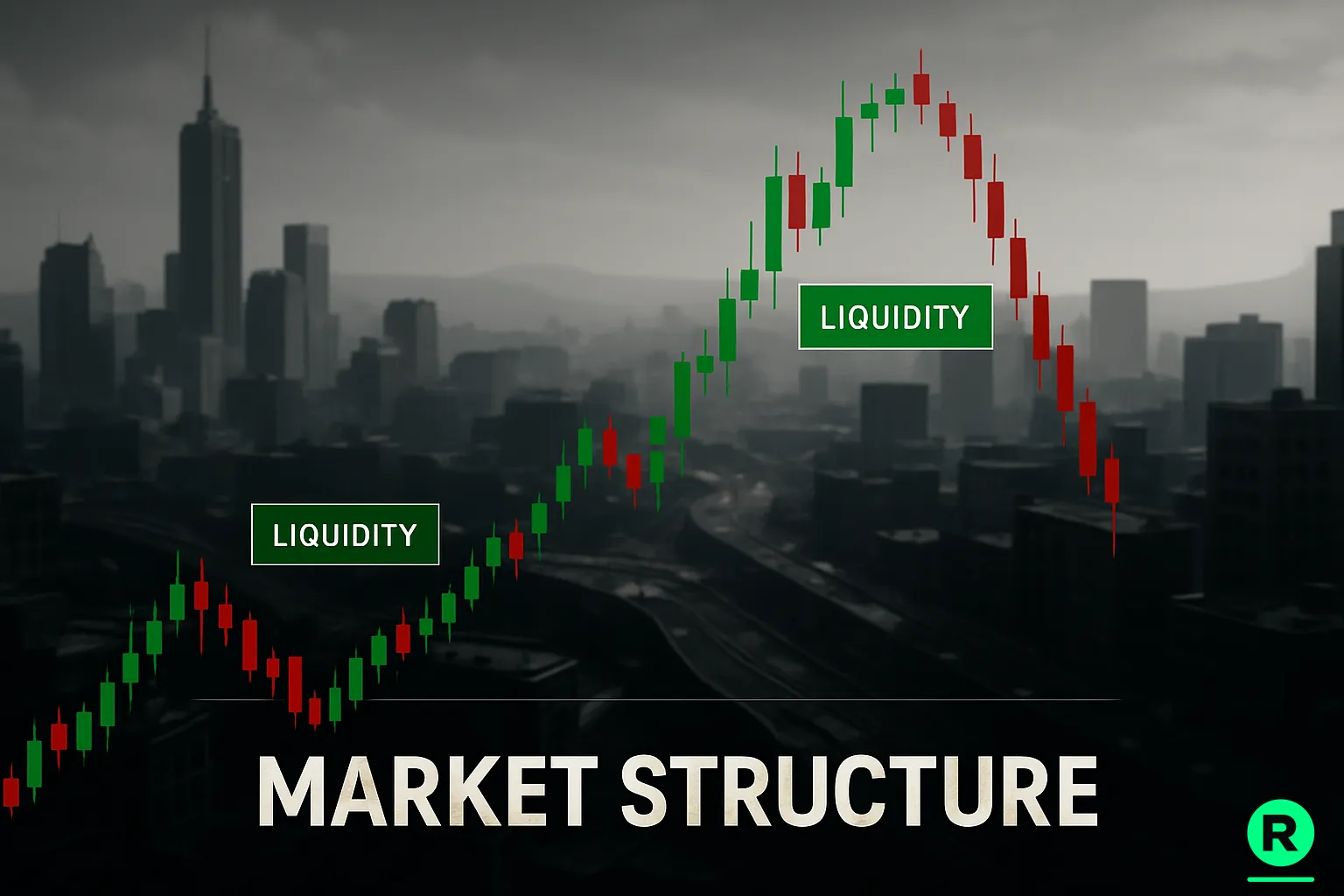
Buy-side liquidity = stop orders located ABOVE current price (sell-stops from longs, buy-stops from breakout entries). When price reaches them and triggers, they create market BUY orders — adding to upside flow. Sell-side liquidity = stops BELOW current price; when triggered, they create market SELL orders. SMC terminology for understanding where stop liquidity sits and how its activation affects subsequent price action.
Why it matters
The buy-side/sell-side framework explains stop-hunt mechanics: institutional flow targets stop pools for the liquidity they provide. Hitting buy-side liquidity provides selling counterparty (institutions can sell into the trigger); hitting sell-side provides buying counterparty. The framework reframes 'stop-hunts' as a structural feature of institutional execution rather than malicious manipulation.
How to use it
Map buy-side liquidity (above resistance levels, swing highs, round numbers) and sell-side (below support, swing lows). When price approaches a liquidity pool, anticipate one of two outcomes: (1) clean break = continuation; (2) sweep + reversal = institutional liquidity grab. Lean toward (2) when at higher-timeframe order blocks or FVGs.
Want a worked example or a deeper dive? Ask Rocky how this concept applies to your specific watchlist or trade idea.
Ask Rocky