Iran War Ignites Oil Rally, Inflation Spiral Pressures Bonds and Central Banks
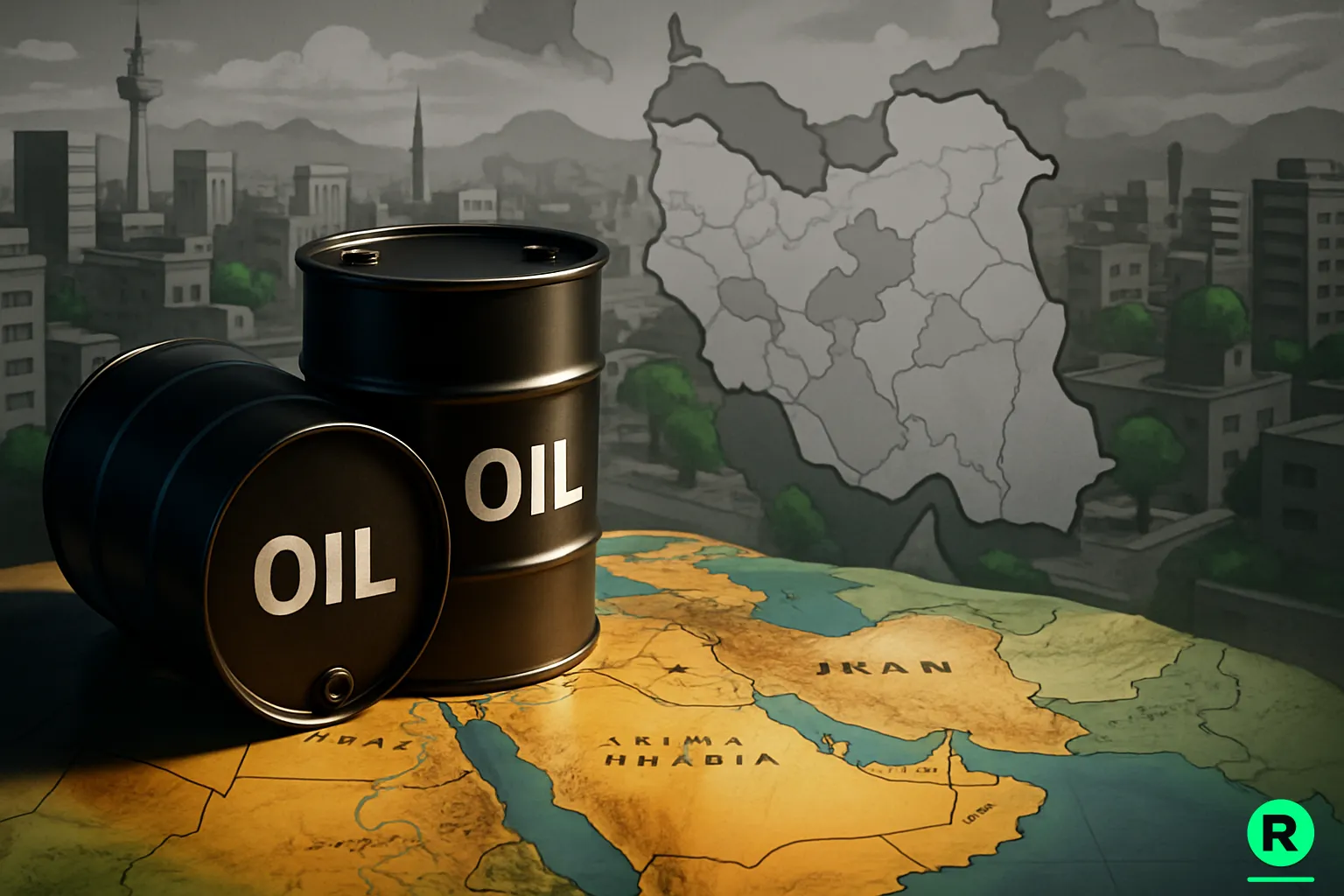
Geopolitical tensions over Iran have driven oil prices sharply higher, triggering global bond selloff and forcing central banks to defend inflation expectations. Treasury yields surge to multi-year highs, energy importers face margin pressure, and commodity currencies weaken as traders reprice inflation and rate-cut timelines.
RKey facts
- Iran war ignited oil price surge; oil demand growth forecast slashed by major forecasters to lowest since Covid
- India raised fuel prices for first time in 4 years; Pakistan secured emergency Persian Gulf LNG
- US Treasury yields hit multi-year highs; global bond selloff intensifies inflationThe rate at which prices rise across an economy. hedging demand
- Japan producer prices up most since 2014; Treasuries and Gilts under severe downward pressure
- Energy importers face margin compression; commodity exporters support CAD, AUD as oil rallies
What's happening
The escalation of Iran-related geopolitical tensions has created an acute supply shock in global energy markets, lifting crude oil prices and reversing months of deflation expectations that had bolstered equity valuations and rate-cut hopes. Major energy forecasters have slashed oil demand growth projections, citing the largest hit to consumption since Covid, while oil importers from India to Pakistan to European nations scramble to cushion fiscal impacts. India raised fuel prices for the first time in four years, Pakistan secured emergency LNG shipments from the Persian Gulf, and the UAE accelerated construction of a Hormuz-bypass pipeline set for 2027 completion.
The inflationThe rate at which prices rise across an economy. spillover has ravaged global bond markets. US Treasuries, UK Gilts, and Japanese government bonds all sold off sharply, with benchmark yields hitting multi-year highs and bond investors unable to escape relentless upward pressure. Sébastien Page, T. Rowe Price CIO, flagged inflation and Fed policy on a collision course, warning that hedging inflation risk is the primary market challenge. Fidelity International's inflation bet, positioned ahead of the crisis, has paid off handsomely as price pressures proved stickier than consensus expected. Central banks from South Africa to Romania face stagflation risks: elevated inflation combined with growth slowdowns, forcing difficult choices between defending currencies and supporting demand.
Implications cascade across sectors and regions. Energy importers face margin compression as higher fuel costs erode refinery and transport economics. Commodity exporters benefit from elevated oil and natural gas prices, supporting currencies like the CAD and AUD. However, the broader macro picture has darkened: if inflationThe rate at which prices rise across an economy. persists, central banks that market participants expected to cut rates mid-2026 may instead hold or hike, pressuring equities that have priced in rate cuts. Defense names gain from elevated geopolitical risk premiums, while consumer discretionary faces headwinds from inflation-driven margin pressure and potential demand destruction.
Skeptics note that oil price surges often fade once supply adjustments occur. OPEC+ has signaled flexibility, and US shale production can ramp if prices sustain above $80+. Furthermore, some economists argue the Iran shock is too small to derail a multi-decade AI-driven productivity boom; equity valuations could prove resilient if earnings growth offsets higher discount rates. However, the bond market's signal is unmistakable: inflationThe rate at which prices rise across an economy. is no longer a transitory concern, and central banks face years of elevated rates ahead, a regime shift that pressures highly valued growth equities and crypto.
More about $CL
- ISM 49.2, sixth month: XLI lags SPY 400bps, decoded·Equities US
- WTI below $80: Hormuz reopens June 21, XLE decoded·Energy
- HG Copper -8% on China May Contraction: EEM stress read·Equities APAC
- Brent below $80: Iran ceasefire, XLE margin risk, the desk read·Energy
- NG=F above zero for first time in 4 months: the reset decoded·Energy
Live coverage of the Iran conflict, Persian Gulf oil supply disruption, OPEC reaction and the cross-asset trades pricing it.
- ActionForexUSD/CAD Weekly Outlook
USD/CAD’s consolidations from 1.4247 continued last week and outlook is unchanged. Initial bias remains neutral this week first. Deeper pullback cannot be ruled out. But downside should be contained above 1.3965 resistance turned support. Above 1.4247 will resume the rally from 1.3480 to 61.8% retracement of 1.4791 to 1.3480 at 1.4290. Firm break there will […] The post USD/CAD Weekly Outlook appeared first on ActionForex.
1d ago - Yahoo FinanceWSJ Dollar Index Falls 0.02% This Week to 97.201d ago
- ForexLiveinvestingLive Americas FX news wrap 10 Jul
Canada June employment report shows +18.2K jobs vs +10K expected Baker Hughes total rig count +1 at 580 Fed report to Congress sees 'stepped up' inflation in the spring Canada building permits for May -1.7% versus 2.4% estimate Only one thing has driven FX markets this year - Deutche Bank Markets: Gold down $9 to $4112 WTI crude oil down 51-cents to $71.57 US 10-year yields up 2 bps to 4.56% JPY leads, EUR lags S&P 500 up 0.4% Nasdaq up 0.3% Russell 2000 down 0.5% It was another strong day in the stock market as the SK Hylix US debut led to some positive commetnary on chip demand, with the company saying the peak will be in 2027 but demand will remain high through 2030. Meta was also a big winner, up 6%, on yesterday's release of a new model and some positive commentary from CEO Zuckerberg about data center economics. The Canadian dollar got a brief lift from a solid employment report but after falling to 1.4120, USD/CAD rebounded to 1.4157 on broad USD strength. Despite the dollar strength, gold bounced late in the session and finished down just $9. Oil bounced around on conflicting headlines about the Iran war but there will be a meeting between the US, Iran and mediators on the weekend as they look to get talks back on track. Refining cracks are getting increasing attention as Russian capacity continues to be hit by Ukraine and Hormuz activity remains light. There is still a strong underlying sense in the market that Trump won't do anything to derail the stock market rally. Elsewhere in FX, USD/JPY fell 65 pips and by a peak of more than a full cent. Increasing indication of desperation and a strong hand against yen weakness are finally weighing but it's looking to be a tough battle. Even on the modest weakness today, there were solid bids in two tests of 161.25. Have a great weekend. This article was written by flc97fe4880a4b454993821fe0b770a597 at investinglive.com.
1d ago - SEC EDGARNATURAL GAS SERVICES GROUP INC files 8-K
<b>Filed:</b> 2026-07-10 <b>AccNo:</b> 0001084991-26-000064 <b>Size:</b> 149 KB <br>Item 4.01: Changes in Registrant's Certifying Accountant
1d ago - ForexLiveMarket largely shrugs off Trump's claim that the ceasefire is over
Trump wrote on Truth Social: The Islamic Republic of Iran has asked us to continue “talks.” We have agreed to do so, but the United States has stated to them, in no uncertain terms, that the Cease Fire is OVER! Thank you for your attention to this matter. President DONALD J. TRUMP There was a kneejerk risk-off move on the message but the market is now more focused on the talks continuing part. We also don't have the US putting on a blockade of Iran in the Strait of Hormuz, which would be a big problem. So this still looks like the status quo and the US attacks look to be ebbing. Still, in light of the latest episode it's getting tougher to envision any kind of lasting peace and ships will continually be relucatant to pass through Hormuz. That should lead to lasting tightness in the oil market that's not reflected now. WTI crude is down 26-cents to $71.84 today. This article was written by flc97fe4880a4b454993821fe0b770a597 at investinglive.com.
1d ago - ForexLiveinvestingLive European markets wrap: Oil prices nudge up as US-Iran tensions linger
Headlines: A calmer end to the week for markets? Iran's strategy in leveraging on control over the Strait of Hormuz looks to be working Global oil supply rose 4.1 million bpd in June as flows through Hormuz resumed, but remained 9.4 million bpd behind pre-war levels - IEA How have interest rate expectations changed after this week's events? Bank of Japan is set to keep interest rates unchanged at the July meeting, maintain tightening guidance German headline annual inflation confirmed at 2.3% in June, core prices also hold steady French inflation confirmed to fall in June, easing pressure on the ECB US earnings season is just around the corner Markets: WTI crude up 0.7% to $72.60 European indices lightly changed, S&P 500 futures down 0.1% JPY leads, USD and CHF lag on the day US 10-year yields up 0.6 bps to 4.547% Gold down 0.3% to $4,107 Bitcoin up 1.7% to $64,368 It was a slower session as markets settle down with a slight sense of calm in the final stretch of the week. US-Iran developments continue to hold in limbo, keeping markets on edge for the most part. The latest twist of optimism came from earlier in the day with a US official claiming that negotiations could still yet take place. But whatever the case is, the Strait of Hormuz is now in de facto closure again. So, that is what it is. Oil prices are sitting higher with WTI crude up 0.7% to $72.60. Meanwhile, European stocks are little changed and more mixed on the day. US futures are also not hinting at much with tech shares slipping back a little. S&P 500 futures are down 0.1% with Nasdaq futures down 0.3% on the day. In other markets, the dollar is also little changed and holding more mixed overall today. EUR/USD is flat at 1.1430 with GBP/USD up just 0.1% to 1.3425 currently. The yen is a notable mover with USD/JPY dropping down by 0.3% to 161.80 levels after Japan signaled a massive pension shift earlier in the day. As for bonds, 10-year yields in the US are up just 0.6 bps to 4.547% so that is not
1d ago - ActionForexUSD/CAD Daily Outlook
USD/CAD is still extending consolidations below 1.4247 and intraday bias remains neutral. Deeper pullback cannot be ruled out. But downside should be contained above 1.3965 resistance turned support. Above 1.4247 will resume the rally from 1.3480 to 61.8% retracement of 1.4791 to 1.3480 at 1.4290. Firm break there will pave the way back to 1.4791 […] The post USD/CAD Daily Outlook appeared first on ActionForex.
1d ago - ActionForexThe Dollar: Things Are Heading Towards De-Escalation
Rumours of talks between the US and Iran are dragging down the USD index. The ECB intends to act decisively on raising interest rates. The US dollar continued to retreat following Donald Trump’s statement that Iran is seeking a deal. Investors have encountered such rhetoric from the US president many times since April, and each […] The post The Dollar: Things Are Heading Towards De-Escalation appeared first on ActionForex.
2d ago