Emerging Markets Hit Record Highs as South Korea, India Lead AI Chip Rally
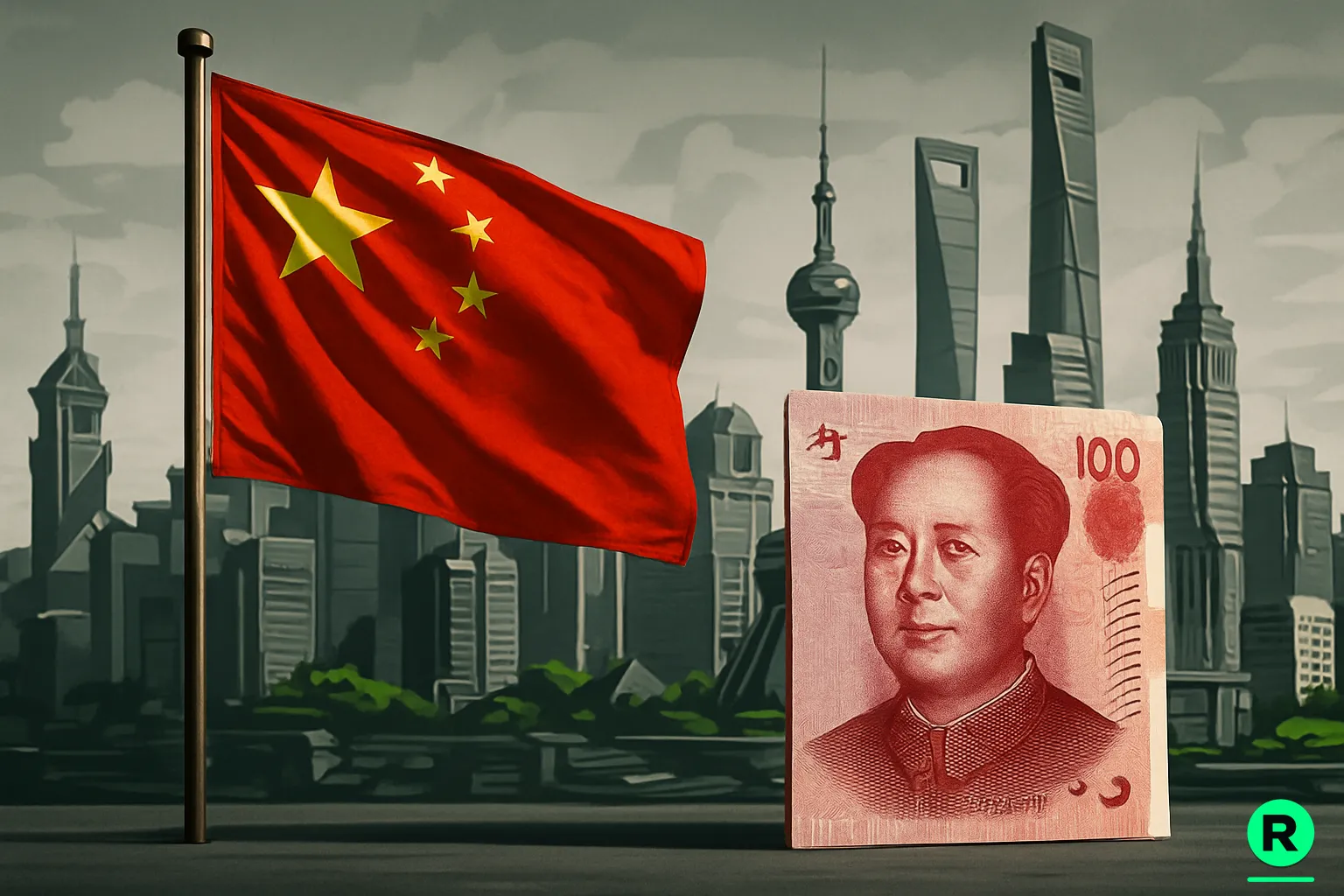
Emerging-market equities have surged to record highs on AI infrastructure enthusiasm, with South Korea's Kospi up 5% and JPMorgan raising bullish targets on memory-chip demand. India's Nifty lags amid oil and inflation concerns, creating a divergence within the EM complex.
RKey facts
- Emerging-market stocks hit record highs; South Korea Kospi surged 5% on semiconductor optimism
- JPMorgan raised Kospi target to 10,000 for second time in a month; cites semiconductor cycle and governance reform
- India's Nifty down 1-1.2% amid oil and Iran war concerns; rupee on track to 98 per dollar by year-end
- China April auto sales fell 21.5%; gasoline vehicle demand collapsed while EV uptake insufficient to offset
- SK Hynix up 9% in Seoul morning trading; memory-chip deal rumors driving Samsung and chip supplier upside
What's happening
Emerging-market stocks have hit record highs as the AI boom spreads beyond the US mega-cap universe into regional semiconductor and tech plays. South Korea's Kospi index surged 5% at the open on optimism around semiconductor and memory-chip valuations, buoyed by reports of memory-chip deals and SK Hynix's +9% jump in Seoul morning trading. JPMorgan raised its Kospi bull-case target to 10,000 for the second time in less than a month, citing improvement in the semiconductor cycle and corporate governance reforms as tailwinds. The bank flagged that high valuations represent a possible risk factor for correction, but the long-term AI outlook remains compelling.
India's equity benchmarks, by contrast, are lagging. The Nifty 50 and Bank Nifty are down 1% to 1.2% amid oil shock concerns and rupee weakness. India's rupee is on a floundering trajectory toward 98 per dollar by year-end despite expected interest rate hikes, a sign that energy import bills and capital outflows are offsetting monetary tightening. Monex Europe expects the rupee to remain under pressure as long as oil remains elevated and global risk sentiment wavers.
This divergence within EM reflects the two-speed recovery story: tech-heavy, export-focused, chip-producing nations like South Korea benefit from AI infrastructure demand, while commodity importers and oil-dependent economies like India face margin compression and currency depreciation. China's April auto sales fell sharply on gasoline-car demand destruction, but electric vehicle names and tech exporters are benefiting from the broader AI enthusiasm and export tailwinds.
The narrative hinge is whether the memory-chip and semiconductor rally spreads to broader EM consumption names or remains a narrow play on semiconductor equipment and memory producers. If oil prices stabilize and inflationThe rate at which prices rise across an economy. pressures ease, broader EM equities could participate. Conversely, if the geopolitical standoff persists and oil remains elevated, the divergence could widen further as energy importers like India and Indonesia fall further behind.
Tracking PBOC easing, China property sector recovery, US-China trade relations and the Asia equity flows that follow each policy shift.
- HandelsblattKommentar: Rosa Schein und gelbes Büchlein adé – Deutschland wird digital
Die Bundesregierung hat weitere Entlastungen von 600 Millionen Euro beschlossen. Vieles davon ist kleinteilig, doch das macht es nicht weniger wichtig.
1d ago - ActionForexEUR/USD Weekly Outlook
EUR/USD extended the consolidations pattern above 1.1323 last week and outlook is unchanged. Initial bias remains neutral this week, and with 1.1499 support turned resistance intact, further decline is expected. On the downside, break of 1.1323 will resume the fall from 1.2081 to 100% projection of 1.2081 to 1.1408 from 1.1848 at 1.1175. However, decisive […] The post EUR/USD Weekly Outlook appeared first on ActionForex.
1d ago - HandelsblattMobilität: Mehr als 50 Millionen Euro für E-Auto-Prämien - Tesla vorne
Seit knapp zwei Monaten gibt es wieder eine staatliche Förderung, um das Geschäft mit Elektroautos in Deutschland anzukurbeln. Wie viel Geld floss schon - und welche Marken profitierten zum Start?
1d ago - DecryptECB Warns Stablecoins May Drain Bank Deposits—Here's What That Means
ECB board member Piero Cipollone laid out the three-layer threat banks face from digital payments, and pitched the digital euro as the only structural answer.
1d ago - ActionForexWeek Ahead – Could Technology Earnings Revive Equities as Geopolitical Risks Linger?
Oil prices rise, but the dollar posts losses as Middle East tensions persist. US earnings, the ECB and UK newsflow dominate next week’s agenda. US equity markets face a pivotal test as focus shifts to technology earnings. Pound strength could be challenged, while Euro rally relies on a hawkish ECB surprise. Dollar weakens, Oil jumps […] The post Week Ahead – Could Technology Earnings Revive Equities as Geopolitical Risks Linger? appeared first on ActionForex.
1d ago - BloombergWild Weather Disrupts Copper Mines and Ports in Central Chile
Copper mines and ports in central Chile curtailed some operations in the face of a powerful winter storm, while major mining installations in the north remained unaffected.
1d ago - HandelsblattSteuererklärung 2025: 1230 Euro pauschal: Diese Werbungskosten senken die Steuerlast noch weiter
Ob Bücher oder Bahntickets – rund um den Job gibt es zahlreiche Möglichkeiten, Werbungskosten abzusetzen und so am Ende Steuern zu sparen. Ein Überblick.
2d ago - ActionForexEUR/USD Daily Outlook
No change in EUR/USD’s outlook. Consolidations from 1.1323 is extending and intraday bias remains neutral. With 1.1499 support turned resistance intact, further decline is expected. On the downside, break of 1.1323 will resume the fall from 1.2081 to 100% projection of 1.2081 to 1.1408 from 1.1848 at 1.1175. However, decisive break of 1.1499 will turn […] The post EUR/USD Daily Outlook appeared first on ActionForex.
2d ago